
Understanding Stress Through Ayurveda
Stress today is not merely mental exhaustion; it is a state where the body, mind, and nervous system remain constantly overstimulated. Ayurveda views stress as an imbalance of Vata and Pitta doshas, often accompanied by weakened digestion, disturbed sleep, and mental restlessness. When left unaddressed, this imbalance gradually manifests as anxiety, fatigue, hormonal disturbances, and chronic ailments.
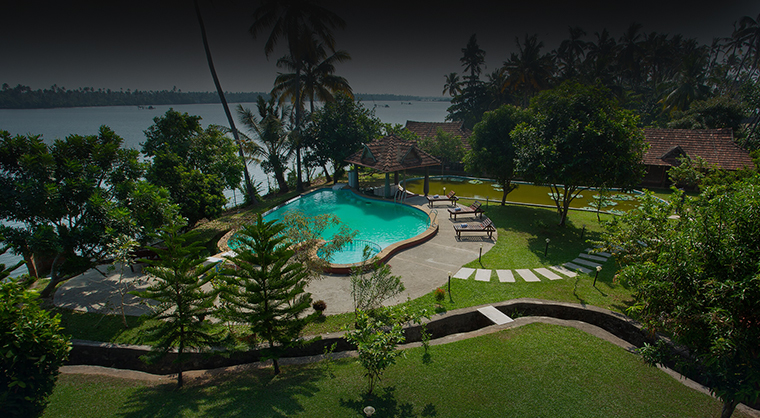
At Akanta Ayurveda & Yoga Resort, stress is approached not as a symptom to be suppressed, but as a signal calling for deep correction and rest. Situated quietly near the sea, Akanta offers the ideal environment for Panchakarma to work effectively — away from noise, distractions, and excess stimulation.

What Is Panchakarma and Why It Matters for Stress
Panchakarma is Ayurveda’s classical purification therapy. Unlike short-term relaxation treatments, Panchakarma works at a systemic level to remove accumulated toxins (ama), restore digestive fire (agni), and calm the nervous system.
Stress often causes the body to hold tension deeply — in the gut, muscles, joints, and mind. Panchakarma gently releases this stored stress through a structured sequence of therapies, guided by daily medical evaluation.
At Akanta, Panchakarma is never standardised. Each guest undergoes a detailed consultation to understand body constitution, stress patterns, lifestyle history, and mental state before treatment begins.
How Panchakarma Relieves Stress Step by Step
1. Preparation (Purva Karma)
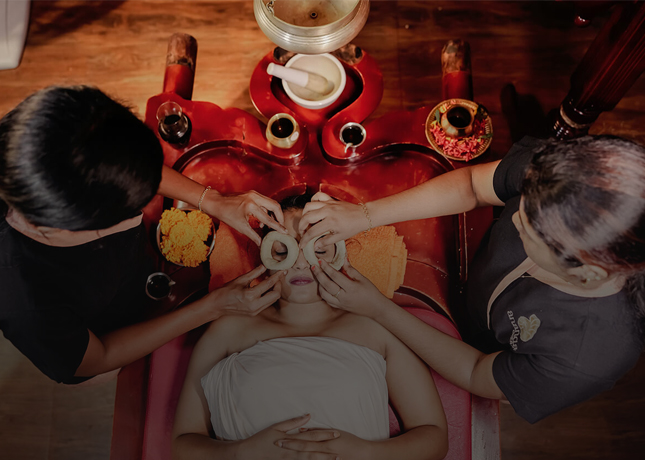
The body is first prepared using medicated oils and gentle internal therapies. Treatments such as Abhyanga (therapeutic oil massage) and Swedana (herbal steam) relax the nervous system, improve circulation, and soften deeply held tension. This phase itself brings noticeable calm and improved sleep.
2. Main Cleansing Therapies (Pradhana Karma)
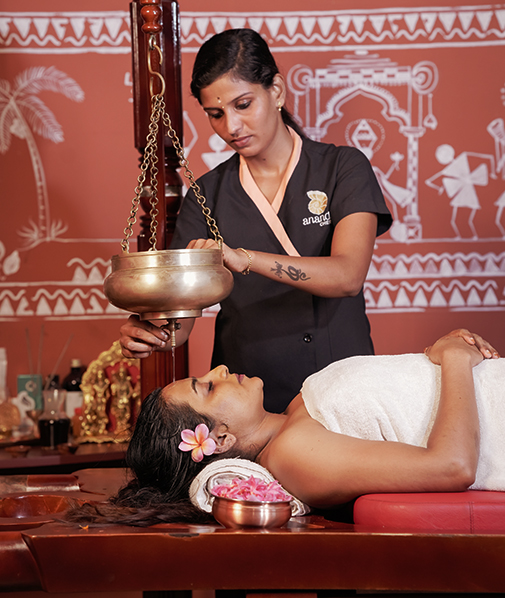
Depending on the individual’s condition, specific Panchakarma therapies are chosen. For stress relief, treatments such as Shirodhara, Nasya, or mild cleansing procedures are commonly recommended. These therapies directly influence the brain–gut axis, helping to stabilise emotions, reduce anxiety, and quieten racing thoughts.
3. Rejuvenation and Restoration (Paschat Karma)
After cleansing, the body is guided back to balance through nourishing diets, herbal medicines, and rest. This phase is essential for grounding the mind and ensuring that stress relief is long-lasting rather than temporary.
The Role of Yoga, Diet, and Silence
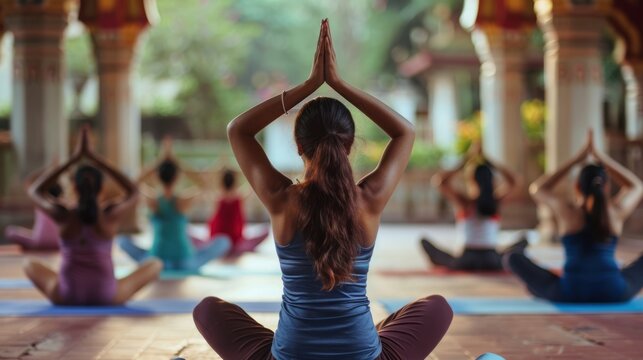
Panchakarma at Akanta is supported by gentle yoga, breathing practices, and meditation tailored for stressed nervous systems. Simple, freshly prepared Ayurvedic meals further support healing by reducing digestive strain.
Equally important is the atmosphere. As an ayurveda beach resort Cherai, Akanta benefits from the calming influence of the sea, fresh air, and natural rhythms. This hermitage-style setting allows the mind to slow down naturally, enhancing the depth of Panchakarma’s effects.
Why Akanta’s Approach Is Different
Akanta is not a luxury retreat; it is a place for sincere healing. The focus remains on authenticity, personalised care, and traditional Ayurvedic principles. Guests are encouraged to disconnect from excess external stimulation and reconnect with замен internal balance.
For those experiencing prolonged stress, emotional exhaustion, or burnout, Panchakarma at Akanta offers more than relief — it offers reset, clarity, and sustainable wellbeing.
A Return to Balance
Stress does not resolve through rest alone. It requires careful detoxification, nourishment, and guidance. Panchakarma, when practiced in the right environment and under experienced supervision, becomes a powerful tool for restoring calm and resilience.
At Akanta Ayurveda & Yoga Resort, Panchakarma is not just a treatment — it is a journey back to balance, simplicity, and inner steadiness.